High-visibility workwear is safety equipment, not ordinary clothing. Its job is to make the wearer easy to see — on a roadwork site at dawn, in a warehouse, or on a rainy night shift. But fluorescent fabric fades and reflective tape wears out, and the fastest way to shorten a garment’s life is to wash it the wrong way. For importers and distributors, good care guidance is also good business: garments that last longer mean fewer complaints and happier end users. Here is a practical guide you can share with your customers.
Why Washing Matters More Than You Think
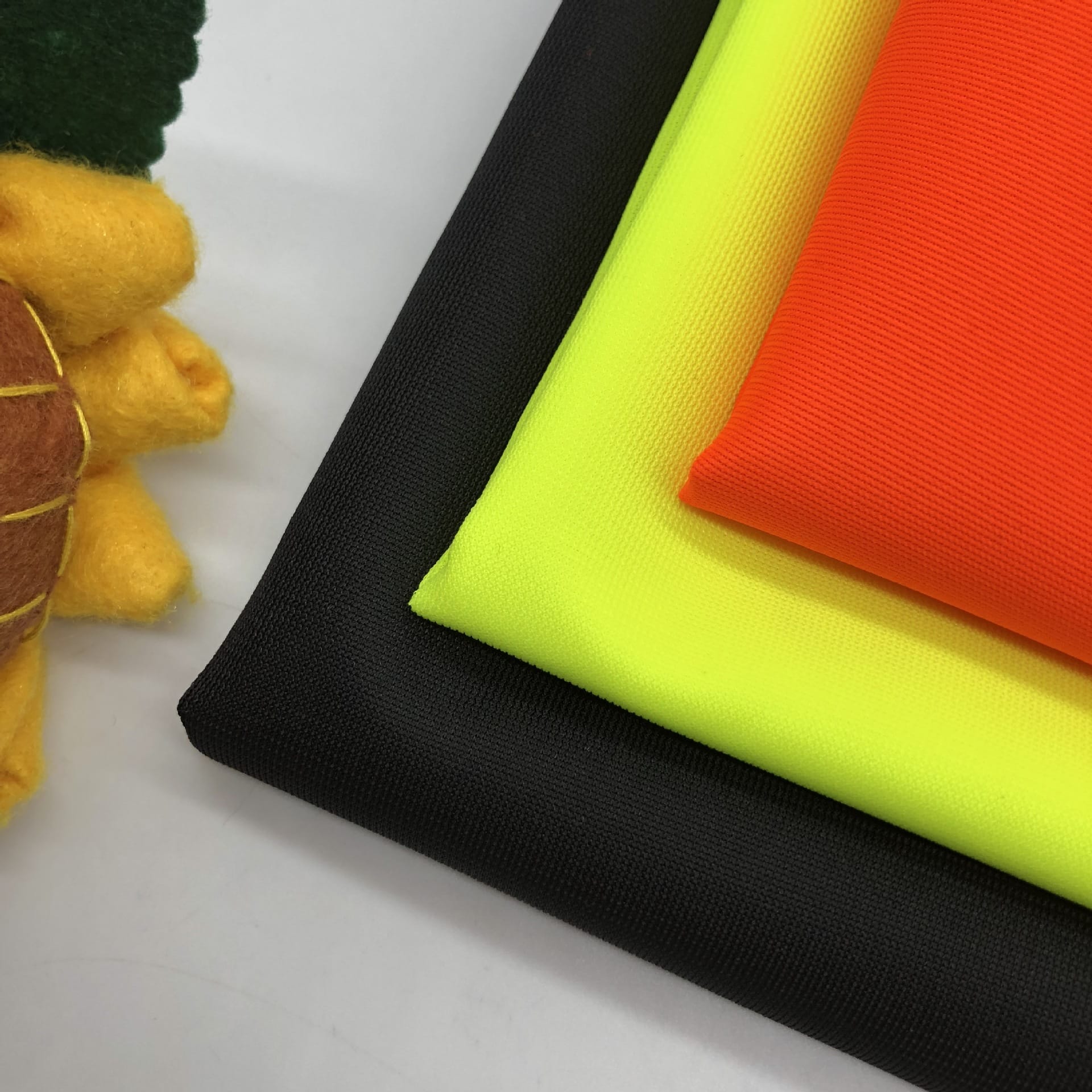
Two things make high-visibility clothing work: fluorescent background fabric that stands out in daylight, and retroreflective tape that bounces light back at night. Both are affected by washing. Hot water, harsh detergents and bleach can dull fluorescent colours. High dryer heat can crack or peel reflective tape. Dirt and grease left on the fabric reduce contrast and make the garment harder to see even before it is washed. A garment that looks faded or has damaged tape may no longer do its job — and the wearer may not notice the change, because it happens gradually.
Start with the Care Label
Every garment carries a care label, and it is the first thing to check. It tells you the maximum wash temperature, whether the garment can be tumble-dried, and how many wash cycles the reflective performance is rated for. If you are a distributor, keep a copy of the supplier’s care instructions with your product information and pass them on to your customers. When in doubt, wash cooler and gentler than the label allows — never hotter.
Washing: The Do’s and Don’ts
- Wash in cold or warm water (30°C or as the label states); avoid hot water.
- Use a mild liquid detergent; avoid bleach and fabric softener, which can coat reflective tape and reduce its performance.
- Turn the garment inside out and close all zippers and hook-and-loop fasteners before washing, so the tape is protected and fasteners do not snag the fabric.
- Wash high-visibility garments separately from heavy work clothes, and do not overload the machine — garments need room to move so dirt rinses away properly.
- Do not soak stained garments in strong chemicals; treat spots with a small amount of mild detergent first.
Drying and Ironing
Air drying is the safest option: hang the garment in the shade, away from direct sunlight, which can fade fluorescent colours over time. If you must use a tumble dryer, use the lowest heat setting and remove the garment while it is still slightly damp. Never iron directly on reflective tape — the heat can melt or distort it. If ironing is needed, iron the inside of the garment on a low setting and keep the iron away from the tape.
When to Retire a Garment
No high-visibility garment lasts forever. Inspect garments regularly and replace them when:
- The fluorescent fabric has faded noticeably compared with a new garment.
- Reflective tape is cracked, peeling, frayed or has lost its shine.
- The fabric is torn, or seams and fasteners are damaged.
- The garment no longer fits properly — too loose or too tight, it can snag or restrict movement.
A simple check: hold the garment next to a new one in daylight, and shine a light on the tape in a dark room. If the difference is obvious, it is time to replace it. For companies, a short inspection routine once a month works well.
Storage Tips
Store clean, dry garments away from direct sunlight and away from chemicals, solvents and sharp objects. Do not leave high-visibility clothing crumpled in a vehicle cab or a damp locker — moisture encourages mould and odours, and creases pressed into reflective tape can damage it. A ventilated cupboard or garment rail keeps workwear in the best condition between shifts.
What Distributors Should Ask Suppliers
If you buy high-visibility workwear to resell, ask your supplier these questions before you order:
- How many wash cycles is the reflective performance rated for?
- What wash temperature and detergent does the manufacturer recommend?
- Is the reflective tape heat-applied or sewn on, and how does it hold up after repeated washing?
Clear answers here help you write honest care guidance for your own customers — and they are a good sign that the factory understands its own product. When you place an order, check whether the garments meet the standards your market requires, and keep the relevant documents on file.
Good care is simple: wash cool and gentle, dry in the shade, and replace garments when the colour or the tape has had enough. A little attention keeps your team visible and your workwear working far longer.
To discuss high-visibility workwear for your market, contact SUM SAFETY at sa***@*******ty.com or visit www.SumSafety.com.