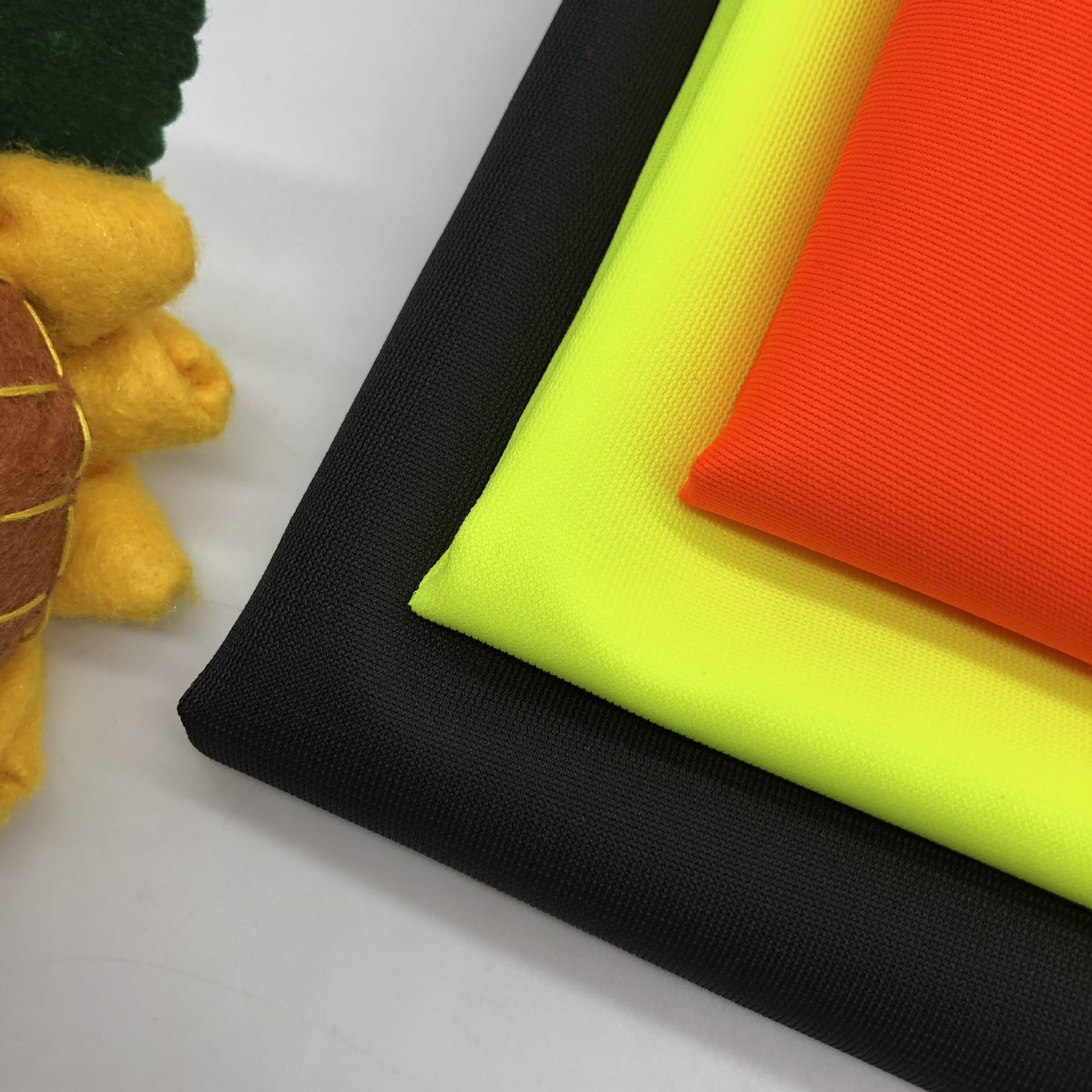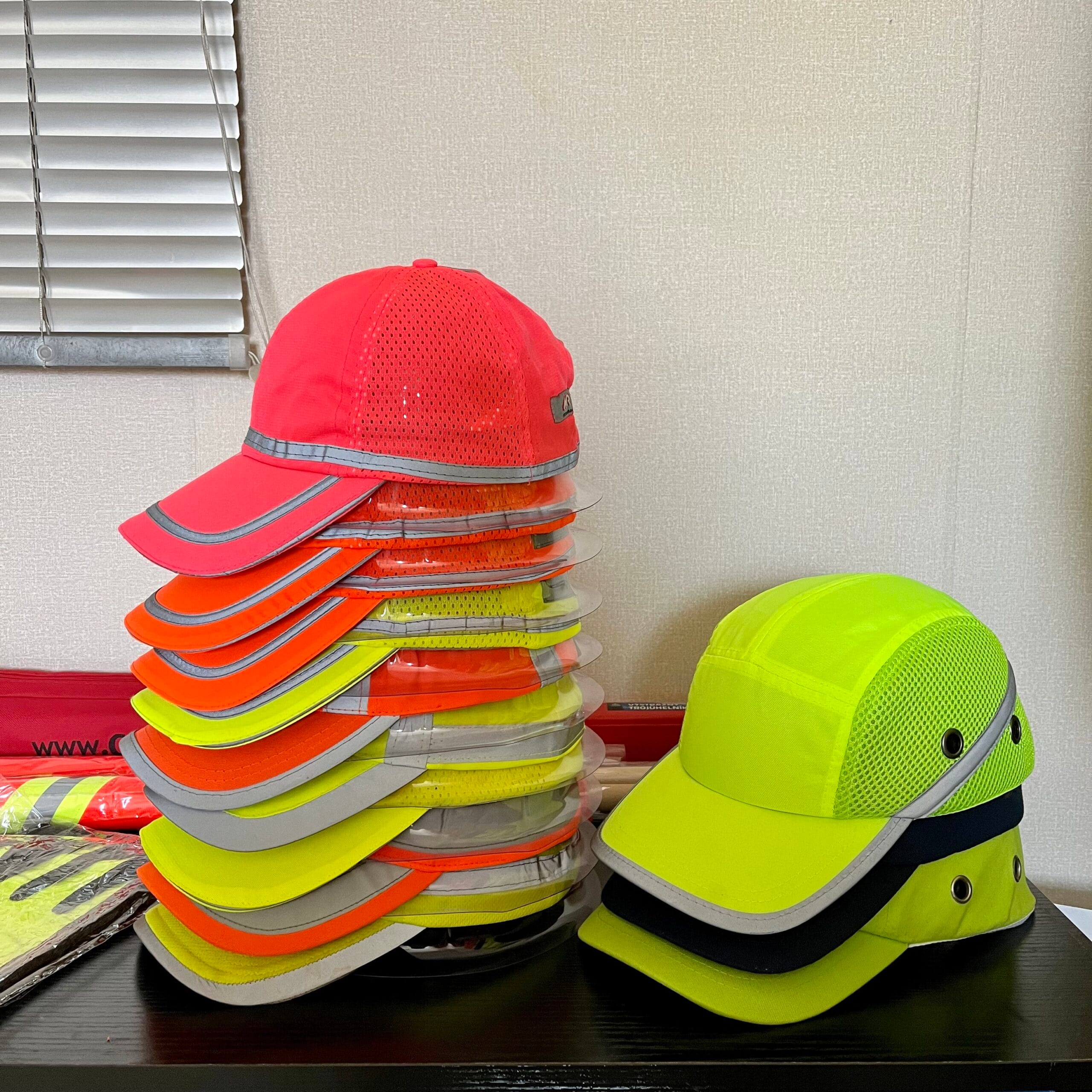
Choosing the right fabric is one of the most important decisions when developing high-visibility workwear.
The fabric affects not only the appearance of the garment, but also visibility, comfort, breathability, durability, weather resistance, and overall cost.
There is no single fabric that is best for every high-visibility product. The right choice depends on the working environment, climate, product design, safety requirements, and target market.
For importers, distributors, contractors, and PPE brands, understanding the differences between common fabrics can make product development and purchasing much easier.
1. Polyester
Polyester is one of the most commonly used materials for high-visibility apparel.
It offers several advantages:
- Good durability
- Good color retention
- Easy maintenance
- Suitable for large-scale production
- Competitive cost
- Suitable for many workwear applications
Polyester is commonly used for safety vests, T-shirts, jackets, and other high-visibility garments.
For general industrial and construction applications, polyester can be a practical starting point.
2. Mesh Fabric
Mesh fabric is designed to improve airflow and breathability.
It is particularly useful in:
- Hot climates
- Outdoor construction
- Road work
- Warehouses
- Logistics
- Summer workwear
The open structure allows air to move through the garment more easily, helping workers stay more comfortable in warm conditions.
For customers selling PPE in tropical or hot-weather markets, mesh high-visibility vests and T-shirts can be an attractive option.
3. Cotton and Cotton-Blend Fabrics
Cotton is valued for its comfort and natural feel.
It can be suitable for workwear where comfort is particularly important.
Cotton-blend fabrics can provide a balance between comfort and durability, depending on the specific composition.
However, buyers should consider the working environment carefully because fabric selection should be based on the actual application rather than comfort alone.
4. Waterproof Fabrics for High-Visibility Rainwear
For workers exposed to rain and wet conditions, standard high-visibility fabric may not provide sufficient protection.
High-visibility rainwear may use waterproof or water-resistant materials such as specialized coated fabrics.
These materials can be used for:
- Safety raincoats
- Rain jackets
- Rain trousers
- Waterproof workwear
For wet-weather applications, buyers should consider both visibility and weather protection.
5. Winter Fabrics and Insulated Materials
Workers operating outdoors during cold seasons require different solutions.
High-visibility winter jackets may use:
- Insulated materials
- Quilted construction
- Fleece lining
- Polyester outer fabrics
- Waterproof or water-resistant outer layers
The objective is to combine warmth, visibility, comfort, and durability.
For cold-weather markets, selecting the correct construction is often more important than simply choosing a heavier fabric.
Fabric Comparison
| Fabric Type | Main Advantage | Typical Application |
|---|---|---|
| Polyester | Durable and versatile | General workwear |
| Mesh | Excellent breathability | Hot-weather work |
| Cotton | Comfortable | General workwear |
| Cotton Blend | Comfort and durability balance | Industrial workwear |
| Waterproof Fabric | Protection from rain | Safety rainwear |
| Insulated Fabric | Warmth | Winter workwear |
How to Choose the Right Fabric
Instead of asking:
“Which fabric is the best?”
A better question is:
“Which fabric is best for this working environment?”
Consider the following factors.
Climate
Hot climates may require lightweight and breathable fabrics.
Cold climates may require insulation and layered construction.
Wet environments may require waterproof materials.
Working Conditions
Construction, road work, logistics, warehouses, and industrial environments may have different requirements.
Durability
Heavy-duty applications may require stronger fabrics and more durable construction.
Comfort
Workers may wear PPE for many hours every day, so comfort can have a significant impact on product acceptance.
Safety Requirements
The fabric, reflective materials, garment design, and other components should be evaluated according to the applicable market and safety requirements.
Budget
Different fabrics and constructions have different costs.
A suitable product should balance performance requirements with the customer’s target price.
Fabric Is Only One Part of a High-Visibility Garment
Choosing the fabric correctly is important, but it is not the only factor affecting product performance.
A complete high-visibility garment also depends on:
- Fluorescent material
- Reflective tape
- Tape placement
- Garment design
- Stitching quality
- Sizing
- Logo application
- Finishing
- Packaging
These elements should be considered together during product development.
Common Mistakes When Selecting Fabric
Choosing Based Only on Price
The cheapest fabric may not provide the best overall value.
Ignoring the Working Environment
A lightweight mesh vest may be ideal for summer construction but unsuitable for cold or wet conditions.
Changing Materials Without Confirmation
For repeat orders, changing fabric specifications without proper approval can result in inconsistent products.
Focusing Only on Appearance
A fabric may look good in a sample but perform differently in actual working conditions.
Not Considering the Target Market
Climate, regulations, customer expectations, and price positioning vary between markets.
How SUM SAFETY Helps Customers Select the Right Fabric
At SUM SAFETY, we understand that fabric selection should be based on the actual application rather than simply choosing the most expensive or cheapest option.
Since 2010, we have been manufacturing high-visibility apparel and PPE products for international customers.
We can help customers evaluate suitable materials for:
- Safety vests
- Reflective T-shirts
- Safety jackets
- Workwear
- Rainwear
- Winter workwear
- Custom OEM and ODM products
Depending on the project, our team can discuss factors such as climate, working environment, durability, comfort, safety requirements, quantity, and target price before production begins.
Final Thoughts
There is no universal “best fabric” for high-visibility workwear.
The right choice depends on the combination of working environment, climate, visibility requirements, durability, comfort, safety standards, and budget.
For PPE buyers, selecting the right fabric at the beginning of product development can help improve product performance, worker comfort, and long-term purchasing value.
A professional manufacturer can also help buyers compare different material options and develop a practical solution for their target market.
📧 sa***@*******ty.com
📱 WhatsApp / WeChat: +86 187 1500 5859
🌐 https://SumSafety.com/