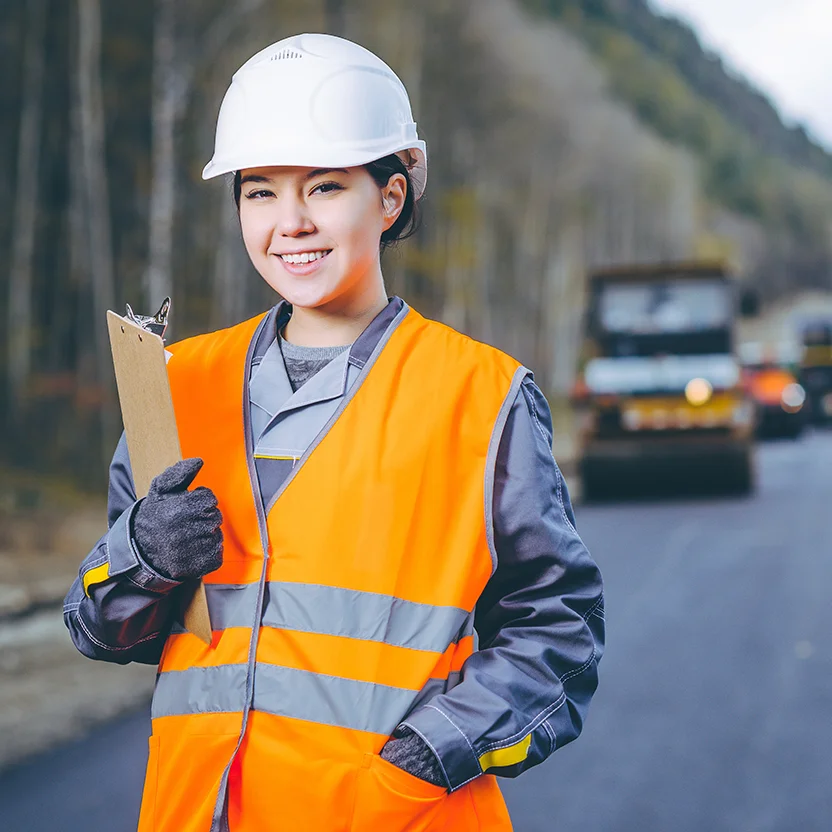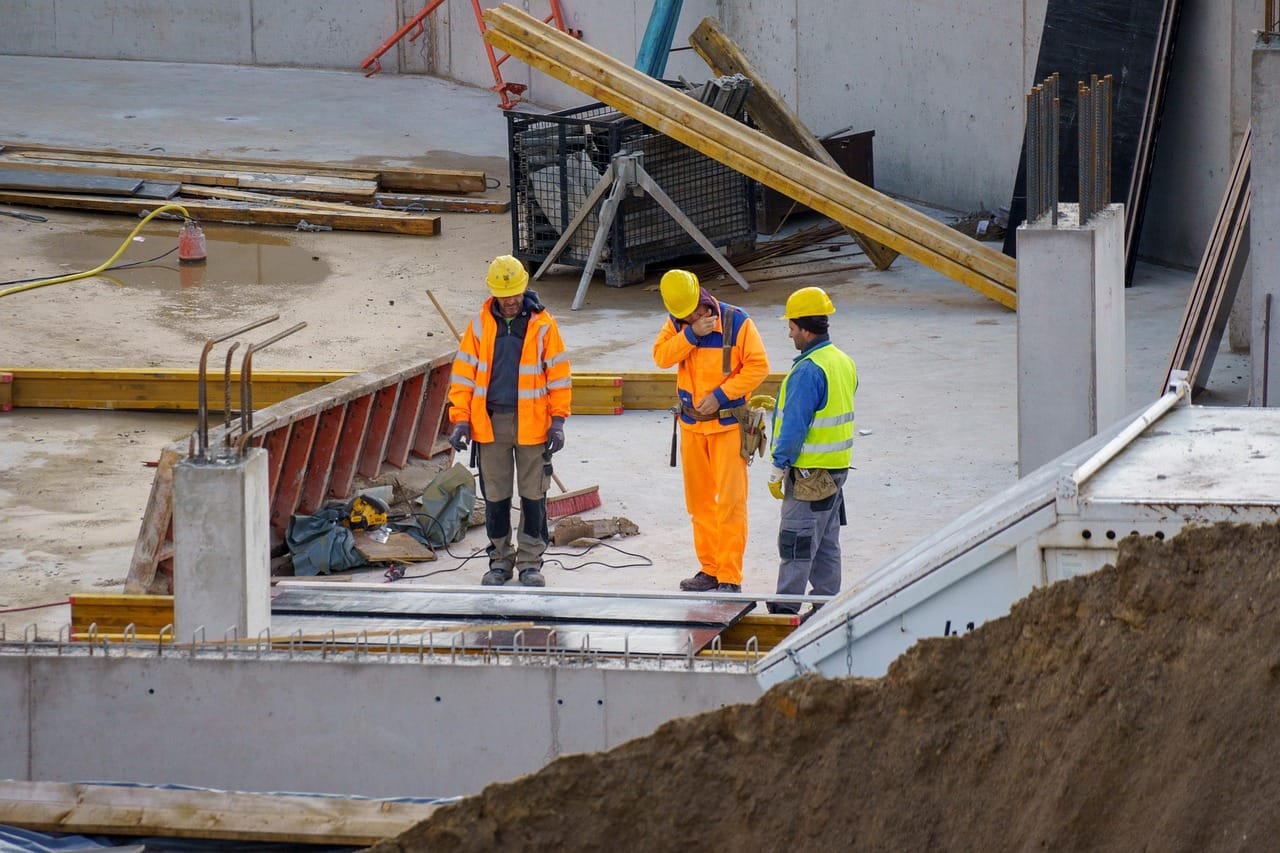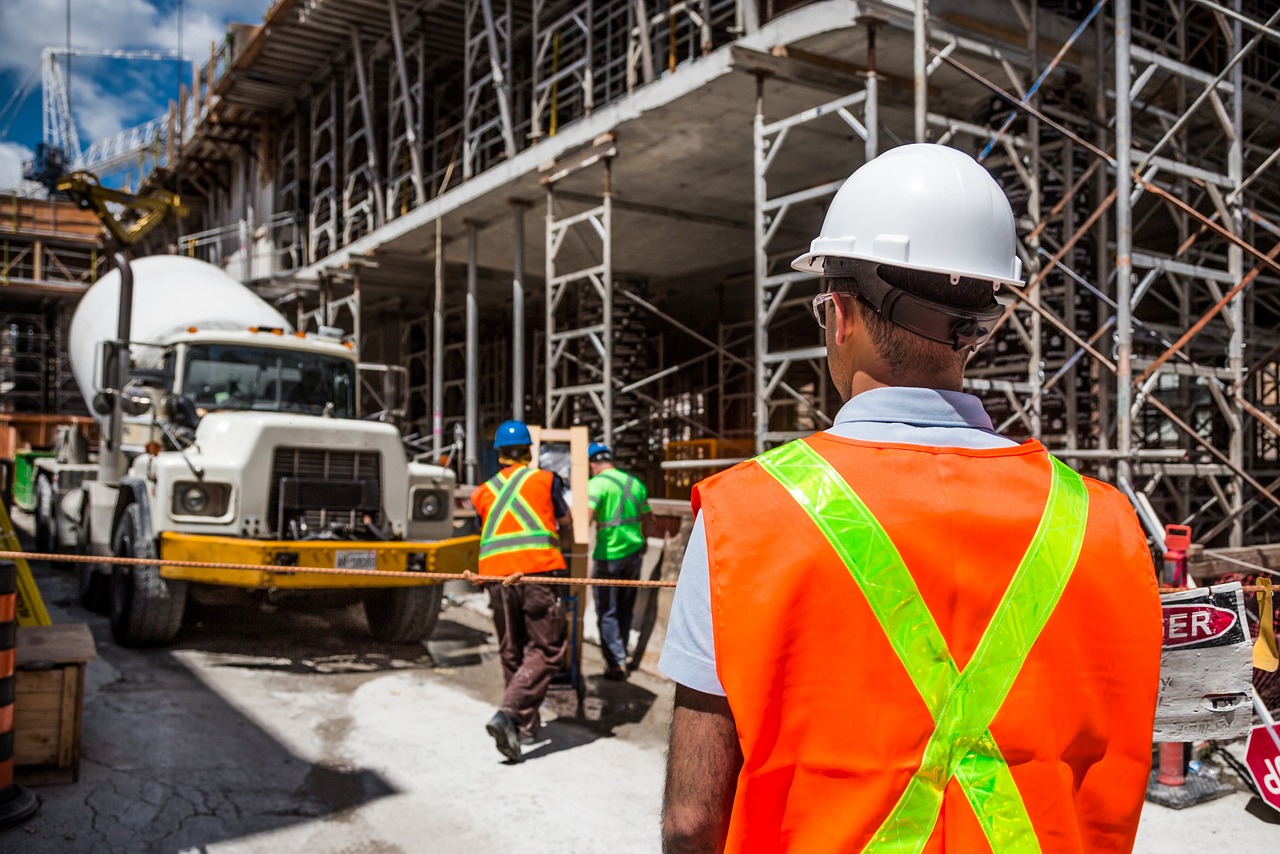
Women now make up a growing share of the workforce on construction sites, in warehouses, on road crews and in logistics — and they need workwear that actually fits them. For years, the usual answer was simply to hand a woman the smallest men’s size. The result was vests that hung past the hips, sleeves that covered the hands, and trousers that bunched at the waist. Poor fit is not only uncomfortable; it can be a safety problem too, when loose fabric catches on equipment or a vest rides up and hides the reflective tape.
For importers and distributors, women’s hi-vis workwear is no longer a niche line. Buyers who supply mixed workforces increasingly ask for it by name, and a supplier who gets the fit right earns repeat orders.
Why a Smaller Men’s Size Is Not Enough
Men’s and women’s bodies differ in more than overall size. Shoulders are usually narrower, the waist sits higher, hips are wider relative to the waist, and the torso is often shorter. A men’s vest in size S may fit around the chest but still be too long in the body, too wide at the shoulder and too loose at the waist. The wearer ends up rolling up sleeves, tucking in excess fabric, or simply wearing a garment that moves badly during a full shift.
A properly shaped women’s cut changes the pattern itself: narrower shoulders, a shaped waist, a shorter body length and armholes placed for a smaller frame. The reflective tape stays where it should be — visible from the front, back and sides — instead of disappearing into folds of extra fabric.
What Good Women’s Fit Looks Like
For vests, look for a body length that ends at the hip rather than mid-thigh, and a cut that follows the waist without pulling tight across the chest. The armholes should be high enough that the vest does not slip off the shoulder when the wearer reaches overhead, and the zip or hook-and-loop front should close flat without gaping.
For jackets and softshells, the same shaping applies, plus a sleeve length that ends at the wrist rather than covering the hand. Cuffs that can be adjusted help when the jacket is worn over layers in cold weather.
For work trousers, the waistband is the most common complaint. A shaped waistband, a proper rise and a choice of leg lengths make far more difference than simply offering a smaller waist size. Elasticated or adjustable waists help when the trousers are worn over thermal layers in winter. Knee pad pockets should sit at the wearer’s actual knee, not halfway down the shin.
Measuring and Size Charts
Good fit starts with good measurements, and this is where importers can add real value for their customers. Ask your supplier for a full size chart that lists body measurements — chest, waist, hip and body length — not just S, M, L and XL. Sizes run differently from one factory to another, so a chart based on garment measurements alone is not enough; you need to know which body measurements each size is made for.
When you place a first order with a new supplier, request one sample set across the size range and measure it yourself. Check the chest, waist, length and sleeve against the chart before you approve bulk production. A ten-minute check on samples saves far more time than sorting out a full container of wrongly sized garments later.
Comfort, Movement and Layering
Hi-vis workwear is worn for ten or twelve hours at a time, so comfort decides whether it is worn properly or pushed aside. Look for a cut that lets the wearer bend, reach and crouch without the garment riding up or pulling tight. Side vents, a two-way front zip and a shaped back panel all help.
Layering matters too. In winter, the vest or jacket must fit over a fleece or insulated layer without becoming too tight across the chest; in summer, a lightweight mesh vest with good airflow keeps the wearer cooler.
Common Mistakes to Avoid
The mistakes we see most often are easy to prevent. Ordering a women’s range that is only a scaled-down men’s pattern. Skipping the sample check and trusting the size labels. Ordering the same size curve as a men’s order and ending up with too many large sizes. And choosing a fabric that looks bright on the rail but feels stiff and heavy after a full day of wear — ask for fabric weight and composition before you order, and check the garment’s feel on the sample.
Women’s hi-vis workwear is a growing part of the market, and buyers remember the supplier who took their fit seriously. Get the sizing right and the rest of the order — the colours, the logo, the delivery — becomes much easier.
For hi-vis workwear, safety vests, jackets, and work pants, contact SUM SAFETY at sa***@*******ty.com or visit www.SumSafety.com.