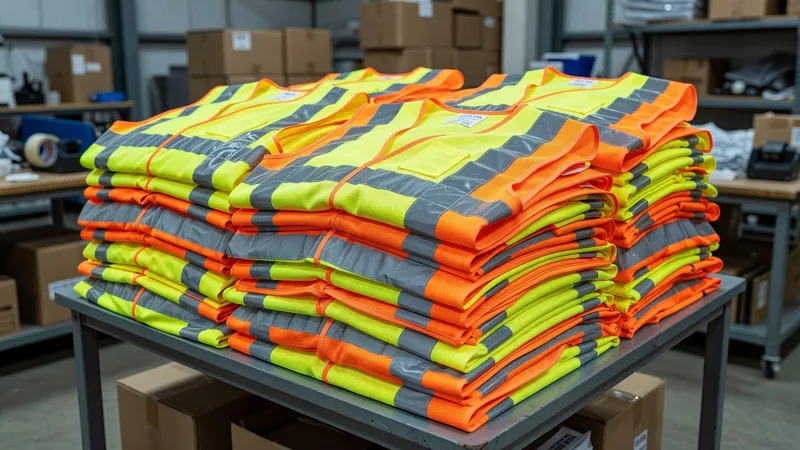
High-visibility workwear does a hard job. It gets rained on, covered in dust, folded into lockers, and worn shift after shift. How it is stored between jobs matters more than most people think. Poor storage fades fluorescent fabric, cracks reflective tape, and shortens the working life of garments that should last much longer. A few simple storage habits will keep your gear bright, safe, and ready to use.
Clean Before You Store
Never put dirty workwear away for weeks or months. Mud, grease, and sweat left on the fabric can set into stains and weaken the fibres. Wash garments before storing them, following the care label. Turn vests and jackets inside out before washing to protect the reflective tape, and use a mild detergent. Skip fabric softener and bleach — both can damage the fluorescent dyes and the adhesive that holds reflective tape in place.
Once washed, check each garment for frayed tape edges, peeling reflective strips, torn seams, and broken zips. A small problem found at storage time is a quick repair; the same problem found on the morning of a job is a delay.
Dry Completely — Never Store Damp
This is the single most important rule. Hi-vis workwear stored even slightly damp can develop mildew, odours, and fabric damage that is hard to reverse. Let garments dry fully in a well-ventilated place, away from direct heat. Do not tumble dry unless the care label allows it, and never store clothing in a sealed bag or box while it is still damp.
If you are packing stock for a customer, the same rule applies. A container that leaves the warehouse with damp garments inside can arrive with a serious quality complaint.
Keep It Out of Sunlight and Heat
Fluorescent fabric loses its brightness when it is exposed to sunlight for long periods. Store hi-vis clothing away from windows and out of direct sun. A cool, dry, shaded place is ideal.
Heat is also an enemy. Do not store workwear next to radiators, heaters, or hot pipes. High temperatures can soften the adhesive on reflective tape and make it peel or bubble. Damp, unventilated corners encourage mould. A dry storeroom with steady airflow is far better than a hot attic or a cold, wet shed.
Fold or Hang? It Depends on the Garment
Vests and T-shirts are best stored flat, folded loosely in a drawer, on a shelf, or in a carton. Avoid pressing sharp creases across the reflective tape — repeated folding in the same place can crack it. If you must fold over tape, vary the fold lines.
Jackets and coveralls are better hung on wide hangers, which keep their shape and avoid crushing the tape. Do not cram garments tightly together: good airflow around each item prevents musty smells and keeps the fabric in better shape.
Protect the Reflective Tape
Reflective tape is the hardest-working part of a hi-vis garment — and the easiest to damage in storage. Keep tape away from sharp objects and rough surfaces that can scratch it, and do not stack heavy boxes on top of folded garments. If garments are packed in cartons, place a layer of tissue paper between layers to stop tape sticking to tape.
For stock held for months, check the tape every few weeks. Press gently on the edges — if they are lifting, the garment needs attention before it is sold or issued. Tape that is already peeling will only get worse in a customer’s hands.
Use Breathable Storage, Not Sealed Plastic
Plastic bags and airtight containers seem like good protection, but they trap moisture and can cause condensation. Unless garments are completely dry and the storage area is climate-controlled, breathable storage is safer: cotton garment bags, open shelving, or ventilated cardboard cartons.
For warehouse stock, keep cartons off the floor on pallets or racking. This protects against damp from concrete floors and makes stock rotation easier. Label each carton with the product name, size range, and date received, so older stock goes out first.
Check Gear Before It Goes Back to Work
Before a garment returns to service, give it a quick inspection. Hold it up in good light: is the fluorescent colour still bright, or has it faded? Is the reflective tape smooth, flat, and firmly attached? Are the seams and fastenings sound?
If the colour has faded noticeably or the tape is cracked and peeling, retire the garment. A hi-vis item that no longer stands out has lost its purpose. When buying new stock, check that garments meet the standards required in your market, and ask your supplier about the fabric weight and tape quality so you know what to expect over time.
A Simple Routine for Distributors and Importers
If you hold hi-vis stock for resale, good storage protects your investment. Rotate stock so the oldest cartons ship first, keep a simple record of when each delivery arrived, and inspect a sample from every batch before it goes into long-term storage. A little discipline here prevents the faded, musty stock that leads to returns and unhappy customers.
Good hi-vis workwear is an investment in safety. Storing it properly costs almost nothing — a clean wash, a dry shelf, a shady corner — but it keeps the colour bright, the tape working, and the gear ready for the next job.
For hi-vis workwear, safety vests, jackets, and work pants, contact SUM SAFETY at sa***@*******ty.com or visit www.SumSafety.com.