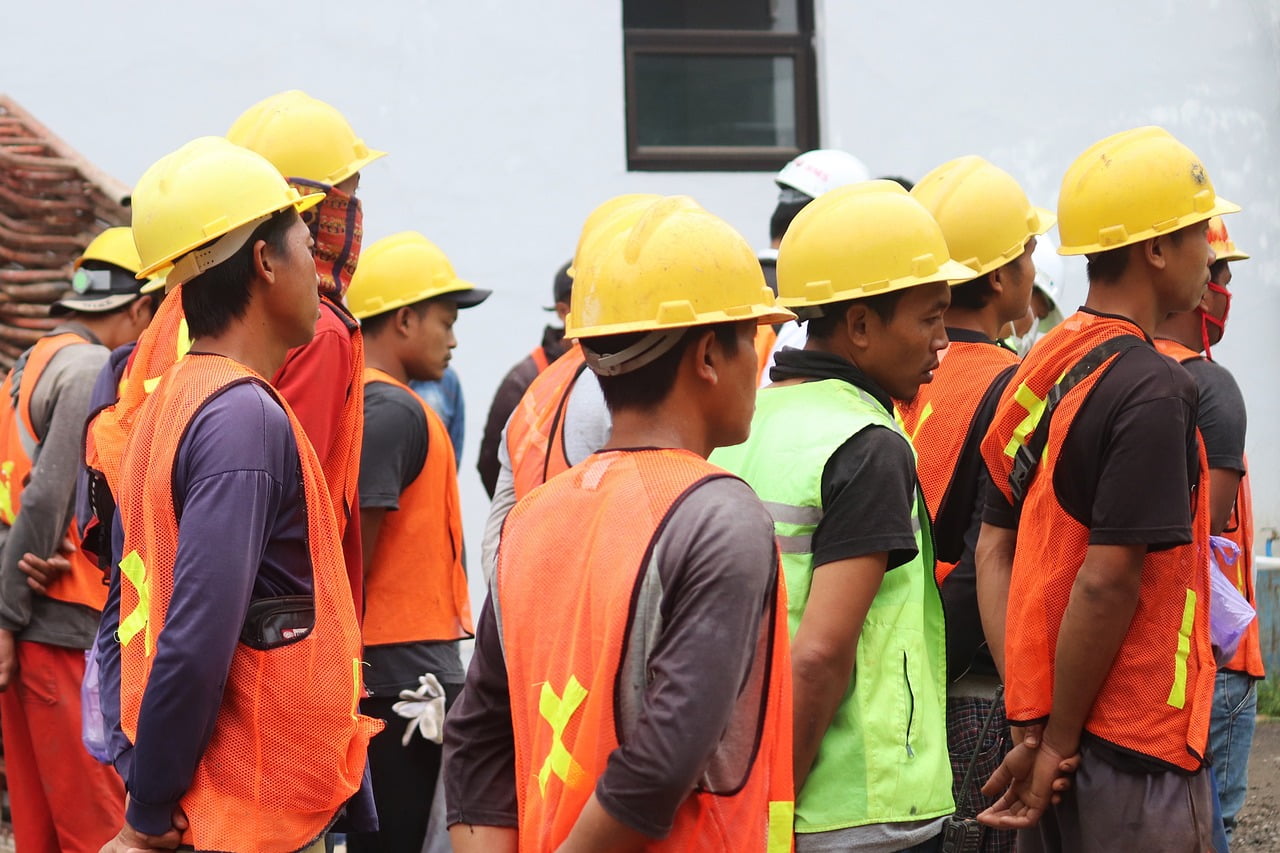
Many importers and distributors start with a single hi-vis product — usually a vest. It is a sensible first step, but it is rarely the whole order. The same customer who buys vests for a road crew also needs shirts for warm days, jackets for cold mornings, rainwear for wet weather, and trousers, headwear and accessories to complete the kit. When those items come from different suppliers, colours drift, reflective tape looks different, sizing is inconsistent, and every reorder means another round of sampling and checking. Building a complete range from one supplier solves most of that, and it gives your customers a kit they can actually wear together, day after day.
Start with the vest — and offer more than one style
The vest is still the foundation, because it is the easiest item to fit, the quickest to replace, and the one most workers wear over other clothing. For your range, offer at least two or three vest styles rather than one: a simple mesh vest for hot, dusty work, a solid-front vest for cooler conditions, and a zip-front style with pockets for supervisors and drivers who carry a phone, pen and ID. Keep the fluorescent colour and tape layout consistent across them, so a customer can mix styles on one site without the crew looking mismatched. When you choose a vest, check the fabric weight, the quality of the zip or hook-and-loop closure, and how the tape survives repeated washing — a vest that fades or peels after a few washes will cost you repeat orders. Check also whether the product meets the relevant standard for your market, and ask your supplier for the test information behind that claim.
Add shirts, jackets and fleece for layering
A vest alone does not cover a full working day. Hi-vis work shirts give workers a cooler option in summer and a base layer under a vest in spring and autumn, while jackets and fleece add warmth without forcing the wearer to choose between being warm and being seen. Plan the range as layers that work together: a shirt that fits under a vest without bunching at the shoulders, a fleece that fits under a jacket, and a jacket with a roomy enough cut to go over both. Ask for the same fluorescent colour across the layers, and check pocket placement — chest pockets should stay usable when a vest is worn on top, and jacket cuffs should close snugly so they do not catch on machinery.
Rainwear: the item that completes the outdoor kit
Rainwear is often bought last, yet it is the item that decides whether a crew can keep working in bad weather. A good rain jacket and trouser set should keep rain out at the seams as well as through the fabric, so look for taped or welded seams, a storm flap over the front zip, and a hood that fits over a hard hat or cap. Waterproof ratings help you compare fabrics, but read them alongside breathability: a jacket that keeps rain out but traps sweat inside will be left unzipped, and then it protects no one. Give customers a choice of weights — a light packable set for sudden showers and a heavier set for long shifts in steady rain — and make sure the reflective tape stays visible when the hood is up and the jacket is fully fastened.
Do not forget pants, headwear and accessories
Trousers, headwear and accessories are small lines, but they turn a collection of garments into a complete kit. Hi-vis trousers and overalls protect the lower body on road and rail work, and they need reinforced knees and a tape layout that is visible from the side as well as the front and back. Hi-vis caps, beanies and bucket hats keep the head visible and protect against sun and cold, while gloves, gaiters and rain covers handle the details customers ask for once the main garments are sorted. Stock these in the same colours as the rest of the range, and size them generously enough to fit over work boots and winter layers.
Four checks that tie the range together
Four practical checks apply to every item in the range, and they are the same checks we have covered in earlier guides. First, match the level of visibility to the job: a quiet warehouse and a live highway do not need the same coverage, so ask how much fluorescent fabric and tape each garment provides. Second, wash and care for the garments as the label directs, and remind customers that heat, bleach and harsh drying can shorten the life of fluorescent fabric and tape. Third, inspect every shipment before it goes to customers — check colours against your approved sample, test zips and seams, and look at the tape after a wash. Fourth, keep sizing consistent across the range, so a customer who wears a large vest can order a large jacket with confidence.
Why source the full range from one supplier
Sourcing vests, shirts, jackets, rainwear, trousers and accessories from one supplier does more than simplify ordering. It keeps colours, tape, sizing and packaging consistent, it reduces the number of samples, inspections and freight bookings you manage, and it lets you offer your customers a complete kit under one order, one delivery and one point of contact for questions. That consistency is also easier to sell: instead of offering a single vest, you can offer a site kit for summer, a layered kit for winter, and a wet-weather kit for outdoor crews. Start with your best-selling vest and shirt, add the jacket and rainwear your customers ask for most, then fill the gaps with trousers and accessories as demand grows.
If you are building or refreshing a hi-vis range, talk to SUM SAFETY about the full collection — safety vests, work shirts, jackets and fleece, rainwear, pants, headwear and accessories — and we can help you put together a kit that fits your market. Contact us at sa***@*******ty.com or visit www.SumSafety.com.