When purchasing PPE from overseas, many buyers naturally focus on the factory quotation.
For example, a supplier may offer a high-visibility safety vest at a competitive FOB price. However, the factory price is only one part of the total cost of importing PPE.
The actual cost of getting products into your warehouse or distribution center can include manufacturing, customization, transportation, freight, customs duties, taxes, and other expenses.
Understanding the total landed cost before placing an order helps importers, distributors, contractors, and PPE brands make better purchasing decisions and avoid unexpected expenses.
What Is the Total Landed Cost of PPE?
The total landed cost is the overall cost of purchasing and bringing products from the manufacturer to the buyer’s designated location.
A simple calculation is:
Total Landed Cost = Product Cost + Customization + Packaging + Transportation + Freight + Duties + Taxes + Other Import Costs
The exact calculation varies depending on the country, Incoterm, product, order quantity, and shipping method.
1. Start with the Factory Price
The factory price is normally the starting point.
Depending on the supplier, you may receive an:
- EXW quotation
- FOB quotation
- CIF quotation
- DDP quotation
These Incoterms include different costs and responsibilities.
For example, an FOB price generally covers the goods and the costs required to deliver them to the agreed port for export, while the buyer may still need to consider international freight, import costs, and local delivery.
Therefore, comparing two suppliers only by their quoted unit price may not provide a complete picture.
2. Include Customization Costs
Customized PPE products may require additional costs.
These can include:
- Custom colors
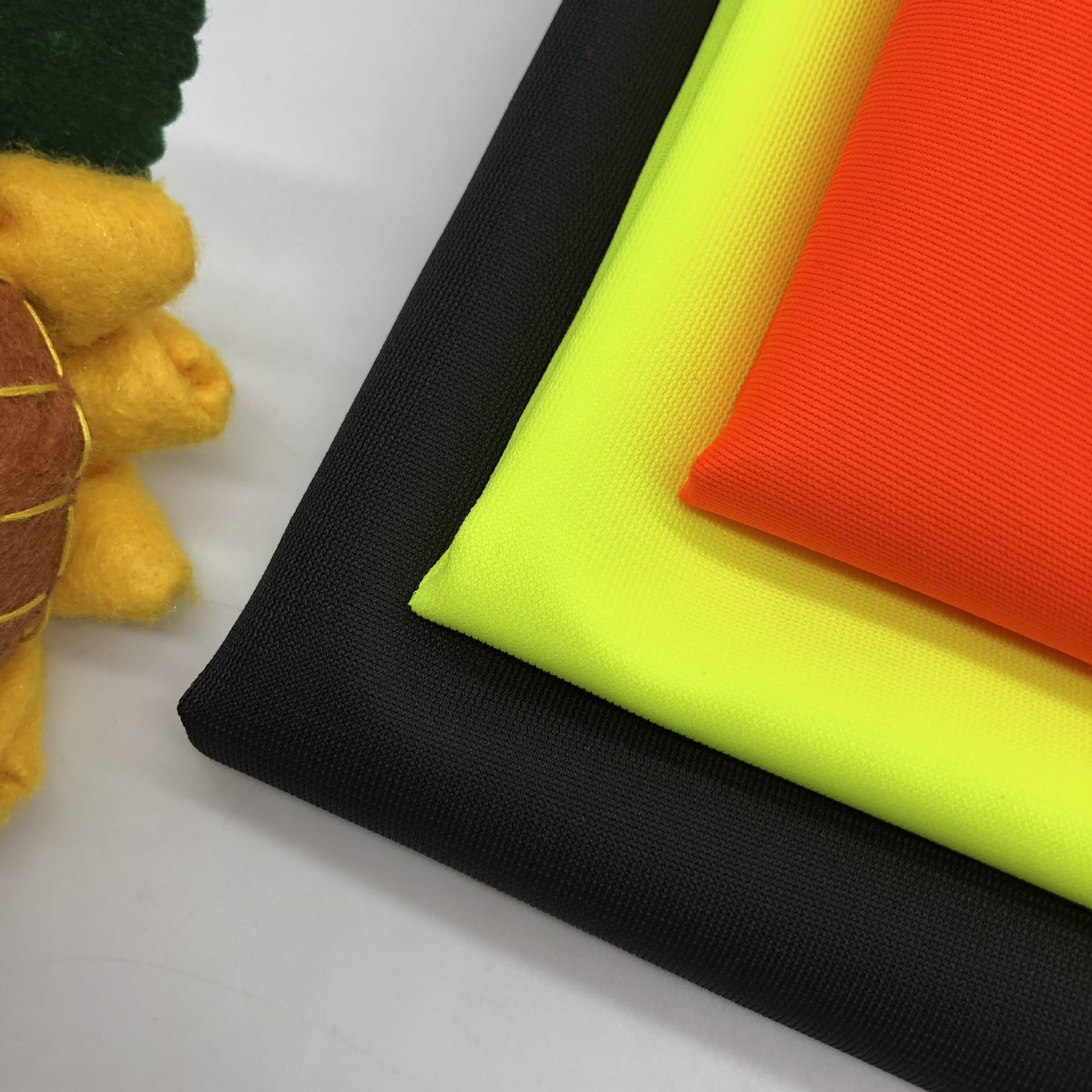
- Special fabrics
- Reflective tape
- Screen printing
- Heat transfer printing
- Embroidery
- Woven labels
- Hangtags
- Custom packaging
For large OEM and private-label projects, customization can represent an important part of the overall purchasing cost.
It is better to confirm these requirements before comparing quotations.
3. Consider Packaging Costs
Packaging is often overlooked when calculating product cost.
Depending on the project, buyers may require:
- Individual polybags
- Size stickers
- Custom printed bags
- Hangtags
- Barcode labels
- Printed cartons
- Special carton markings
If customized packaging is required, it should be included in the initial quotation request.
4. Calculate Domestic Transportation
After production is completed, goods normally need to be transported from the factory to the export warehouse or port.
Domestic transportation costs may depend on:
- Factory location
- Destination warehouse or port
- Total volume
- Number of cartons
- Transportation method
For example, a factory located inland may have different transportation costs compared with a factory located close to a major export port.
5. Calculate International Freight
International transportation can have a significant impact on the final PPE cost.
For ocean shipping, the cost may depend on:
- Container type
- Total CBM
- Gross weight
- Shipping route
- Destination port
- Shipping season
- Freight market conditions
For smaller shipments, LCL may be suitable. Larger orders may be more economical using FCL.
The cheapest unit price does not necessarily mean the lowest total landed cost.
6. Consider Customs Duties and Tariffs
Import duties and tariffs vary between countries and products.
The applicable rate may depend on:
- Product classification
- HS code
- Country of origin
- Destination country
- Trade agreements
- Current tariff policies
Importers should confirm the applicable customs requirements before placing large orders.
Do not assume that two similar PPE products will necessarily have exactly the same import treatment.
7. Include Import Taxes
Depending on the destination country, buyers may need to pay additional taxes such as VAT, GST, or other import-related taxes.
These costs should be considered when calculating the final landed cost.
For accurate calculations, importers should consult their customs broker, freight forwarder, or local tax advisor regarding the specific requirements of their market.
8. Consider Local Delivery and Warehousing
The cost does not necessarily end when the goods arrive at the destination port.
Additional expenses may include:
- Port handling
- Customs clearance
- Local transportation
- Warehouse handling
- Storage
- Delivery to the final warehouse
For large-volume PPE orders, these costs can become significant.
9. Don’t Forget Currency and Payment Costs
International purchasing also involves financial costs.
Depending on the transaction, buyers may encounter:
- Currency exchange differences
- Bank charges
- International transfer fees
- Financing costs
- Currency fluctuations
For long production cycles, exchange rate movements may also affect the final purchasing cost.
10. Consider the Cost of Delays
One of the most overlooked costs in international PPE purchasing is delay.
A late shipment can result in:
- Additional warehouse costs
- Expedited transportation
- Air freight charges
- Project delays
- Customer penalties
- Lost sales opportunities
This is why supplier reliability and production planning are important parts of total procurement cost.
A slightly higher factory price may sometimes result in a lower overall cost if the supplier provides more reliable quality and delivery.
Example of a PPE Landed Cost Calculation
Imagine a buyer orders 10,000 high-visibility safety vests.
The calculation might look like this:
| Cost Item | Example |
|---|---|
| Product Cost | $0.5~15 depends on the style |
| Customization | $0.1~0.5 |
| Packaging | $0.05~0.15 |
| Domestic Transportation | $0.05~0.5 |
| Ocean Freight | $3,000~5,000 depends on container and market |
| Customs & Duties | Depends on market |
| Import Taxes | Depends on market |
| Local Delivery | Depends on destination |
| Total Landed Cost | Depends on final import costs |
The example demonstrates why buyers should not evaluate a supplier based only on the factory unit price.
The actual landed cost needs to include the entire supply chain.
How to Reduce Your Total PPE Landed Cost
There are several practical ways to control the final cost.
Plan Orders Early
Early planning provides more flexibility for production and transportation.
Optimize Order Quantities
Larger and well-planned shipments can sometimes reduce the transportation cost per unit.
Choose the Right Incoterm
Compare EXW, FOB, CIF, DDP, or other appropriate terms based on your purchasing model.
Optimize Packaging
Avoid unnecessarily large packaging that increases shipping volume.
Work with an Experienced Manufacturer
A professional manufacturer can help identify suitable materials, production methods, and packaging solutions.
Compare Total Cost, Not Just Product Price
Always compare the estimated landed cost instead of looking only at the factory quotation.
What Information Should You Prepare?
To calculate PPE purchasing costs more accurately, buyers should prepare:
- Product type
- Product specifications
- Quantity
- Size breakdown
- Customization requirements
- Packaging requirements
- Destination country
- Destination port
- Preferred Incoterm
- Required delivery date
The more complete the information, the more accurately your supplier and logistics partner can estimate the total cost.
How SUM SAFETY Supports Global PPE Buyers
At SUM SAFETY, we understand that international PPE purchasing involves much more than the factory price.
Since 2010, we have been manufacturing high-visibility apparel and PPE products for international customers.
We support customers with:
- High-visibility safety vests
- Reflective T-shirts
- Safety jackets
- Workwear
- Rainwear
- Winter workwear
- Safety accessories
- OEM and ODM manufacturing
- Custom logos and branding
- Screen printing
- Heat transfer printing
- Embroidery
- Custom packaging
Our team can work with customers to clarify product specifications, quantities, customization requirements, packaging, and shipping arrangements before an order is finalized.
This helps buyers understand the purchasing process more clearly and make better decisions based on their actual target market.
Final Thoughts
The factory price is only the beginning of the PPE purchasing calculation.
For international buyers, the real cost is the total landed cost—from manufacturing and customization to freight, customs, taxes, local delivery, and potential delay-related expenses.
Understanding these costs before placing an order allows importers and distributors to:
- Compare suppliers more accurately
- Build more reliable budgets
- Avoid unexpected expenses
- Improve purchasing decisions
- Protect profit margins
When evaluating an overseas PPE supplier, don’t simply ask:
“What is your price?”
A better question is:
“What will my total cost be when the products arrive at my warehouse?”
That is the number that matters.
📧 sa***@*******ty.com
📱 WhatsApp / WeChat: +86 187 1500 5859
🌐 https://SumSafety.com/