Most hi-vis buying guides stop at the vest or jacket. Trousers get less attention, yet they are worn every day on site, take the most wear, and are often the first garment a worker complains about. A pair of hi-vis trousers that fits badly, tears early or loses its reflective tape after a few washes costs a distributor far more than the few dollars saved at the factory. Choosing them well is a practical buying decision, not a fashion one.
Why trousers deserve the same attention as jackets
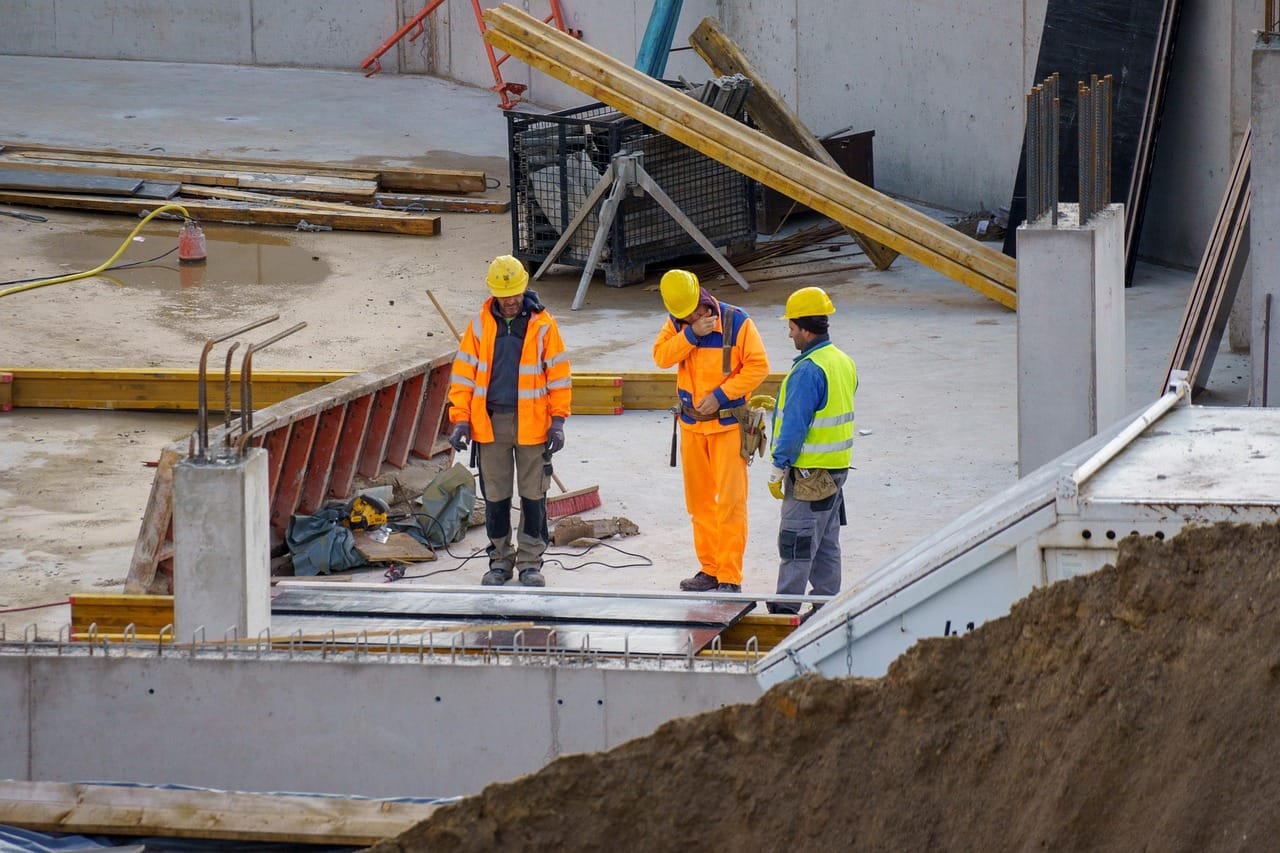
On a construction site, a road crew or a warehouse floor, the lower half of the body is where the risks are: kneeling on rough ground, climbing in and out of vehicles, brushing past scaffolding and pallets. Trousers also carry the reflective tape that keeps a worker visible from the side and from behind, where a vest alone does not always reach. When a buyer specifies a hi-vis range, trousers should be part of the same specification as the jacket, in matching fabric and colours, so the whole outfit works together.
Fabric: the first decision
The fabric decides how long the trousers last and how comfortable they are. Polyester-cotton blends are the usual choice: polyester adds strength and keeps the fluorescent colour bright, while cotton makes the fabric softer and more breathable against the skin. For hot climates or summer work, look for lighter fabrics with mesh ventilation or moisture-wicking finishes, so workers keep wearing the trousers instead of leaving them in the locker. For cold or wet conditions, trousers may need a water-repellent finish or a lined version. Heavier fabrics last longer on rough work but feel stiffer, so match the weight to the job, not to the cheapest price.
Reflective tape: placement matters
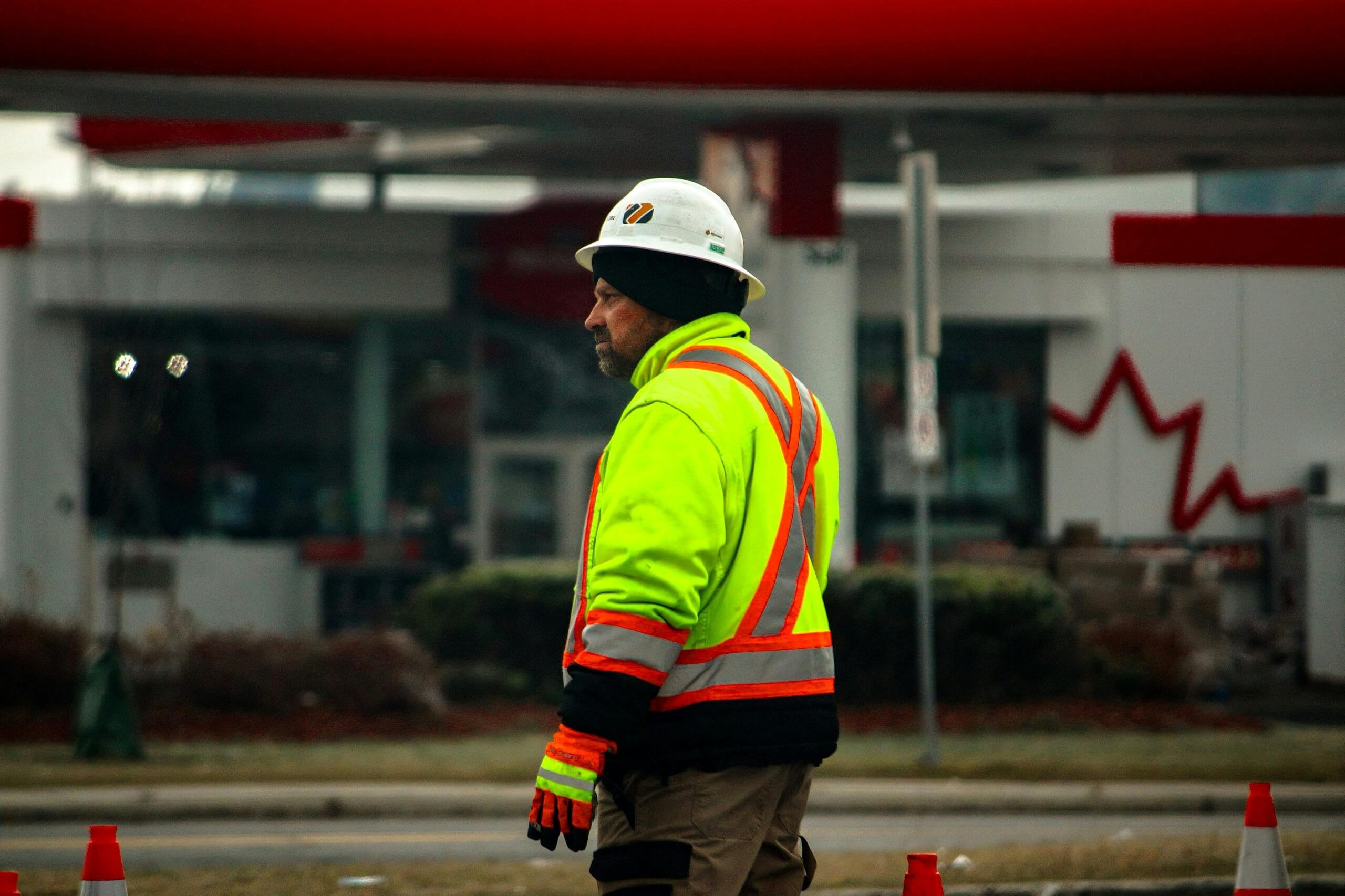
Reflective tape on trousers is usually placed as one or two bands around each leg, sometimes with a band above the knee. Check that the tape is stitched, not just heat-applied, if the trousers will be washed often, and that it sits flat without twisting when the leg moves. Tape around the lower leg is the most useful position, because it catches headlights and site lighting from a distance. Ask your supplier how many wash cycles the tape is rated for, and whether the tape is the same quality as the tape used on the jackets in the same range. A trouser that loses its tape after ten washes is no longer a hi-vis garment.
Fit and comfort on the job
Hi-vis trousers are workwear, and they are worn over boots, with knee pads, tool belts and gloves. A good fit allows a full range of movement: squatting, kneeling and climbing without pulling at the waist or the crotch. Look for an elasticated or adjustable waistband, and a leg that is wide enough to fit over a work boot without pooling at the ankle. Knee pad pockets are a practical feature for anyone who works on the ground, and reinforced knees — a double layer of fabric or a tougher panel — extend the life of the garment considerably. If the trousers will be worn in summer, a shorter or three-quarter length option may be worth offering, but check first whether it still meets the visibility requirements of your customer’s site rules.
Pockets and practical details
Pockets sound like a small detail, but they decide whether a worker reaches for these trousers or another pair. A cargo pocket on the thigh, a ruler pocket, a phone pocket and a hammer loop are the features site workers ask for most. Zipped pockets keep small items safe when climbing. Reinforced pocket openings and bar-tacked stress points stop the pockets tearing away after a few months. Ask the supplier for a sample and check the stitching at the pockets and the fly: loose threads and skipped stitches there are an early sign of a garment that will not survive a season.
Choosing for the job and the season
There is no single best hi-vis trouser. Road workers need bright, durable trousers with strong tape and reinforced knees. Warehouse staff may prefer a lighter trouser with fewer pockets and a smarter look. Winter work calls for a heavier or lined trouser, and in some cases a waterproof over-trouser worn on top. If you supply a whole team, offer the same style in two weights — a summer and a winter version — so the workforce stays visible all year without having to change supplier or style.
Ordering tips for importers and distributors
Before you place a bulk order, order a size sample in the most common sizes and have a few workers try them on over their boots and with knee pads in place. Check the size chart against real measurements, because a trouser size from one factory is not the same as another. Confirm the fabric weight, the tape specification, the pocket layout and the wash care instructions in writing before production starts. And plan the order with the rest of the range: trousers in the same fluorescent colours as the jackets and vests you already stock are easier to sell as a complete outfit.
Hi-vis trousers are a small part of a hi-vis order, but they are the part the worker feels every hour of the day. Choose them with the same care as the jacket, check a sample before you commit, and your customers will notice the difference every time they put them on.
For hi-vis trousers, work pants and the full hi-vis range — vests, jackets, shirts and rainwear — contact us at sa***@*******ty.com or visit www.SumSafety.com.