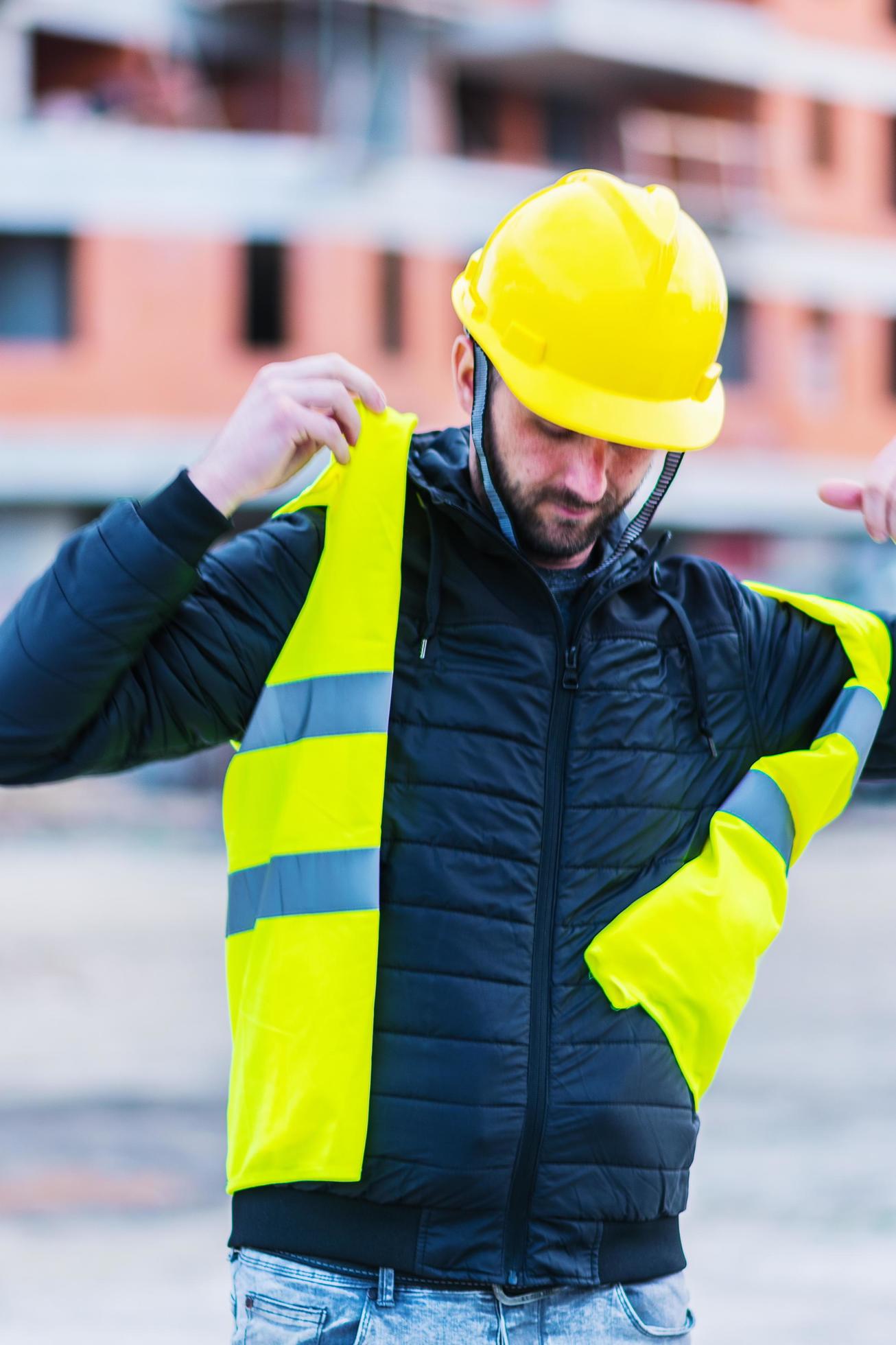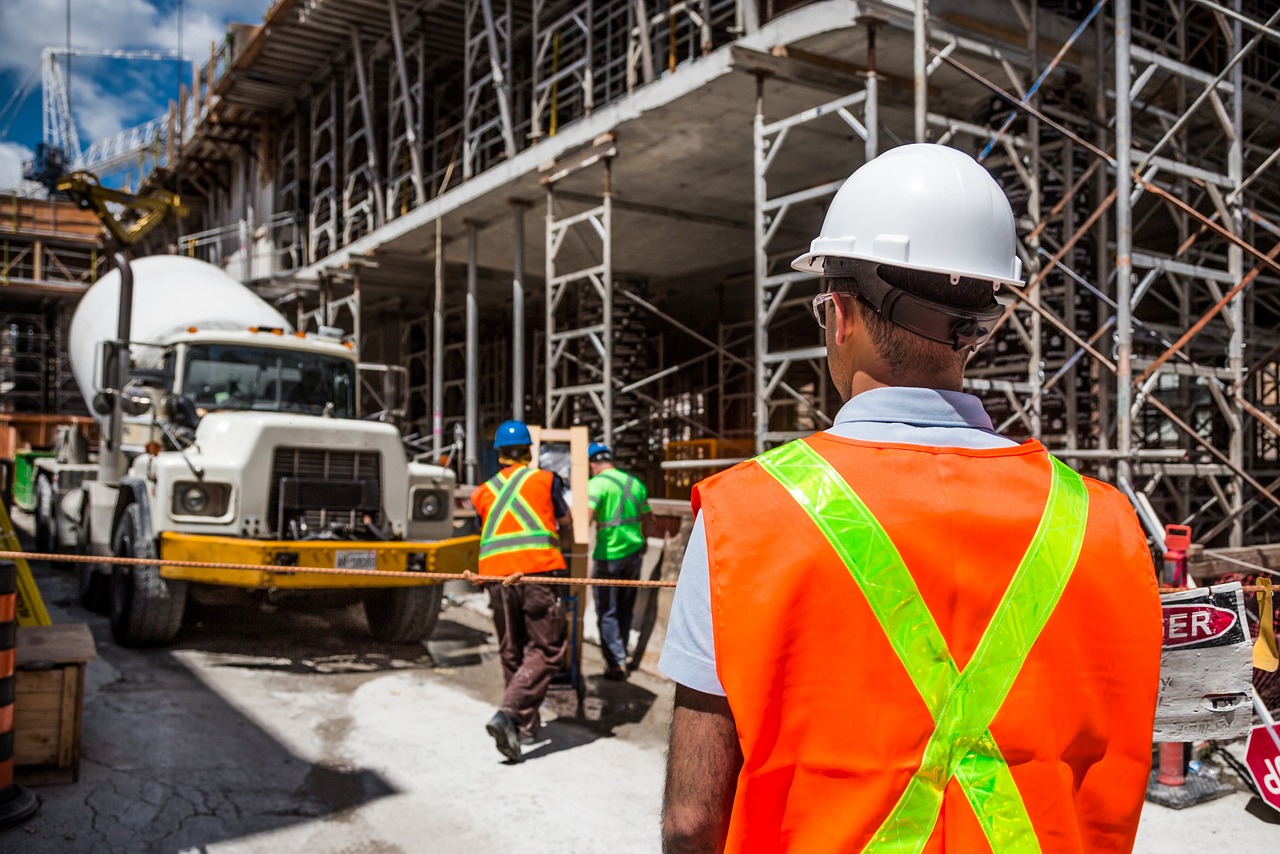
Ask any distributor what causes the most trouble after a hi-vis order arrives, and sizing is near the top of the list. Garments that are too tight do not get worn. Garments that are too loose catch on machinery, and reflective tape that sits in the wrong place does not do its job. Unlike a retail sale, a wrong size in a bulk order is not one return — it can be hundreds of garments in the wrong size. Getting sizing right before the order is placed saves time, money and frustrated customers.
Why hi-vis sizing goes wrong
Sizing problems usually start with a simple assumption: that a large from one supplier is the same as a large from another. It often is not. Size systems differ between countries, and each factory cuts to its own pattern. A letter size on its own tells you very little. Add to that the fact that hi-vis garments are often worn over other clothing — a vest over a jacket, a jacket over a fleece — and the fit your customer needs is not the same as their shirt size. Bulk orders make the risk bigger, because there is no try-on before hundreds of pieces are cut and sewn.
How to measure correctly
Good sizing starts with a tape measure and the actual wearer. Measure the chest around the fullest part, keeping the tape level and snug but not tight, with arms relaxed at the sides. Measure the waist at the natural waistline, and the hips at the widest point. For jackets, measure the sleeve from the centre of the back of the neck to the wrist, with the arm slightly bent. For trousers, measure the inside leg from the crotch to the ankle. Always measure over the clothes the garment will be worn with — if a vest goes over a winter jacket, measure over the jacket. Write the numbers down in centimetres.
Reading a size chart
A size chart is only useful if you know what it measures. Some charts list body measurements — the size of the person the garment is made for — while others list garment measurements, which are larger because they include ease for movement. Check which one your supplier uses before you match numbers to sizes. Look at the full range for each size rather than a single number, and if a measurement falls between two sizes, size up: a slightly loose hi-vis garment is safer and more comfortable than one that pulls tight across the chest.
Unisex, men’s and women’s fits
Most hi-vis workwear is cut unisex, which suits a mixed workforce but fits nobody perfectly: it tends to be straight through the body with longer sleeves. Women’s-fit garments are shaped at the waist and chest, with narrower shoulders and shorter body lengths, and they are worth offering when a large share of the workforce is female — a women’s-fit jacket that is actually worn is far better than a unisex one left in the locker. Tall and short options matter too: a regular jacket on a tall worker leaves the waist exposed when they bend, and trousers that pool at the ankle are a trip hazard. Ask your supplier which fits are available for each style before you build your size run.
Fit for the job
Fit is not only about comfort; it affects how the garment works. On a vest or jacket, the reflective tape should sit flat across the chest and back, with the bands level — if the garment is too small, the tape pulls and gaps; if it is too large, the tape sags and folds. Sleeves should end at the wrist without covering the hands, and trouser legs should break just above the boot. Adjustable features help: drawcord hems, Velcro cuffs and side adjusters let one size fit a wider range of bodies and layers.
Ordering sizes across a team
When you order for a whole crew, start with real data. Ask your customer for the team’s measurements, or at least a headcount per size from their existing workwear. Order size samples in the most common sizes first, and have a few workers try them on over their normal layers. A typical size run leans toward medium, large and extra-large, with fewer smalls and 2XLs — but that pattern shifts by workforce, so do not copy another customer’s breakdown. Keep a few spares in the common sizes for new starters.
Common sizing mistakes to avoid
The most common mistake is ordering by letter size alone, without checking the chart. The second is assuming sizes carry over from a previous supplier. The third is forgetting layering — a vest sized for a T-shirt will not fit over a jacket. The fourth is ignoring shrinkage: cotton-rich fabrics can shrink after the first wash, so check whether the supplier allows for that in the cut. And the fifth is skipping samples to save a few days.
Sizing is not the most exciting part of a hi-vis order, but it is one of the most practical. Measure the wearer, read the chart, check the fit on a sample, and order a size run that matches the real team. Do that, and the garments you supply will be worn every day — which is the whole point of high-visibility clothing.
For hi-vis workwear in a full size range — vests, jackets, shirts, trousers and rainwear — contact us at sa***@*******ty.com or visit www.SumSafety.com.