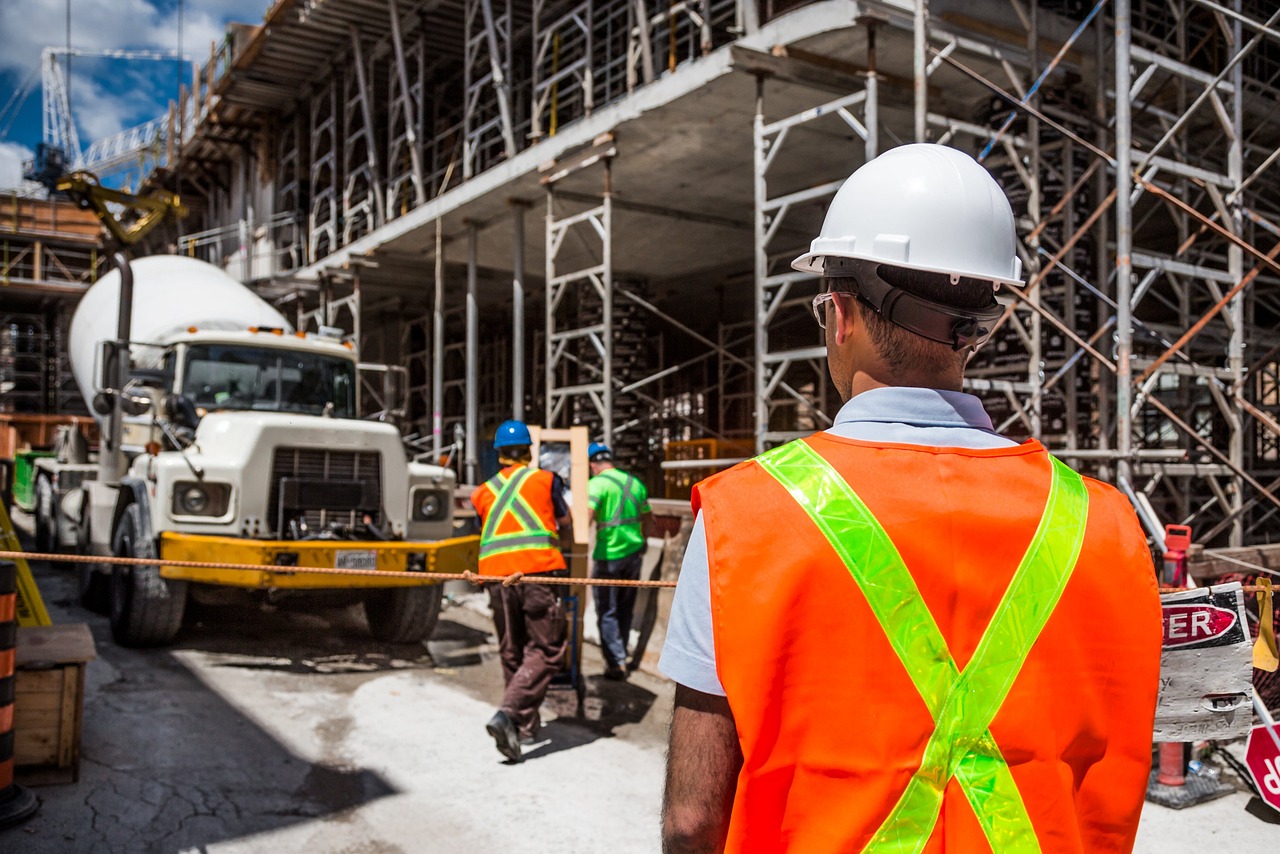
When purchasing high-visibility clothing (Hi-Vis apparel), one of the most important considerations is whether the products meet the required safety standards in the target market.
Different countries and regions follow different regulations for high-visibility workwear. The two most commonly referenced standards are ANSI/ISEA 107 in North America and EN ISO 20471 in Europe.
Understanding the differences between these standards helps buyers, distributors, and safety managers select the right products for their markets and applications.
What Are High-Visibility Clothing Standards?
High-visibility clothing standards define the requirements for safety garments designed to make workers more visible in hazardous environments.
These standards typically evaluate:
- Fluorescent background material
- Reflective tape performance
- Minimum visible area
- Garment design
- Product classification
- Intended workplace applications
The goal is to ensure workers can be easily identified by drivers, equipment operators, and other personnel.
ANSI/ISEA 107 vs EN ISO 20471: Main Differences
| Category | ANSI/ISEA 107 | EN ISO 20471 |
|---|---|---|
| Main Market | United States & North America | Europe and many international markets |
| Standard Name | American National Standard for High-Visibility Safety Apparel | High Visibility Clothing Standard |
| Classification Method | Type and Class | Performance Class |
| Common Applications | Road work, construction, emergency services | Construction, industrial, transportation |
| Main Focus | Visibility requirements based on workplace risk | Visibility performance and garment design |
Understanding ANSI/ISEA 107 Classification
ANSI/ISEA 107 classifies high-visibility garments mainly according to workplace conditions.
Type O (Off-Road)
Designed for workers who are not exposed to public road traffic.
Examples:
- Warehouses
- Manufacturing facilities
- Private industrial sites
Type R (Roadway)
Designed for workers exposed to traffic hazards.
Examples:
- Highway construction
- Road maintenance
- Traffic control
Type P (Public Safety)
Designed for emergency and public safety personnel.
Examples:
- Police
- Firefighters
- Emergency response teams
ANSI classifications also include different performance classes based on the amount of visible material and required protection level.
Understanding EN ISO 20471 Classification
EN ISO 20471 uses three performance classes:
Class 1
Provides the lowest level of visibility.
Suitable for lower-risk environments where workers are separated from traffic.
Class 2
Provides medium visibility protection.
Commonly used in:
- Construction
- Logistics
- General industrial work
Class 3
Provides the highest visibility level.
Recommended for:
- Highway workers
- Railway workers
- High-risk environments
Which Standard Should Buyers Choose?
The correct standard depends on:
1. Target Market
Before ordering, buyers should confirm the requirements of their country or customers.
For example:
- USA customers often request ANSI/ISEA 107 compliance.
- European customers commonly require EN ISO 20471.
2. Working Environment
Different jobs require different protection levels.
Consider:
- Traffic exposure
- Working speed of nearby vehicles
- Lighting conditions
- Outdoor or indoor environment
- Weather conditions
3. Customer Requirements
Many distributors and contractors already have specific safety specifications.
Before production, confirm:
- Required standard
- Product category
- Reflective tape requirements
- Color requirements
- Documentation needs
Can One Hi-Vis Garment Meet Multiple Markets?
Yes, some products can be designed to meet requirements from different regions.
However, the garment design, reflective material, visible area, and testing requirements must be carefully considered.
Experienced manufacturers can help buyers develop products suitable for specific markets.
Common Mistakes When Buying Hi-Vis Clothing
Many buyers focus only on price and overlook important details.
Common mistakes include:
❌ Choosing products without checking required standards
❌ Using unsuitable reflective materials
❌ Ignoring local regulations
❌ Not confirming certification requirements before production
❌ Selecting garments that do not match the working environment
A professional supplier can help avoid these problems during product selection.
Why Choose SUM SAFETY?
At SUM SAFETY, we manufacture high-visibility apparel and PPE since 2010, supporting customers in different global markets.
Our experience includes:
- Safety vests
- Reflective T-shirts
- Work jackets
- Rainwear
- Winter workwear
- Custom safety apparel
We provide:
✔ OEM & ODM manufacturing
✔ Custom logo solutions
✔ Screen printing, heat transfer, and embroidery
✔ Product recommendations based on market requirements
✔ Stable production and quality control
Whether you are a PPE distributor, importer, contractor, or brand owner, our team can help you develop suitable high-visibility clothing solutions.
Final Thoughts
Choosing the correct high-visibility clothing standard is essential for worker safety, market compliance, and successful PPE sourcing.
Understanding the differences between ANSI/ISEA 107 and EN ISO 20471 allows buyers to make better decisions and select products that meet the expectations of their customers and industries.
Working with an experienced Hi-Vis clothing manufacturer helps ensure the right materials, correct design, and reliable product quality.
📧 sa***@*******ty.com
📱 WhatsApp / WeChat: +86 187 1500 5859
🌐 https://SumSafety.com/