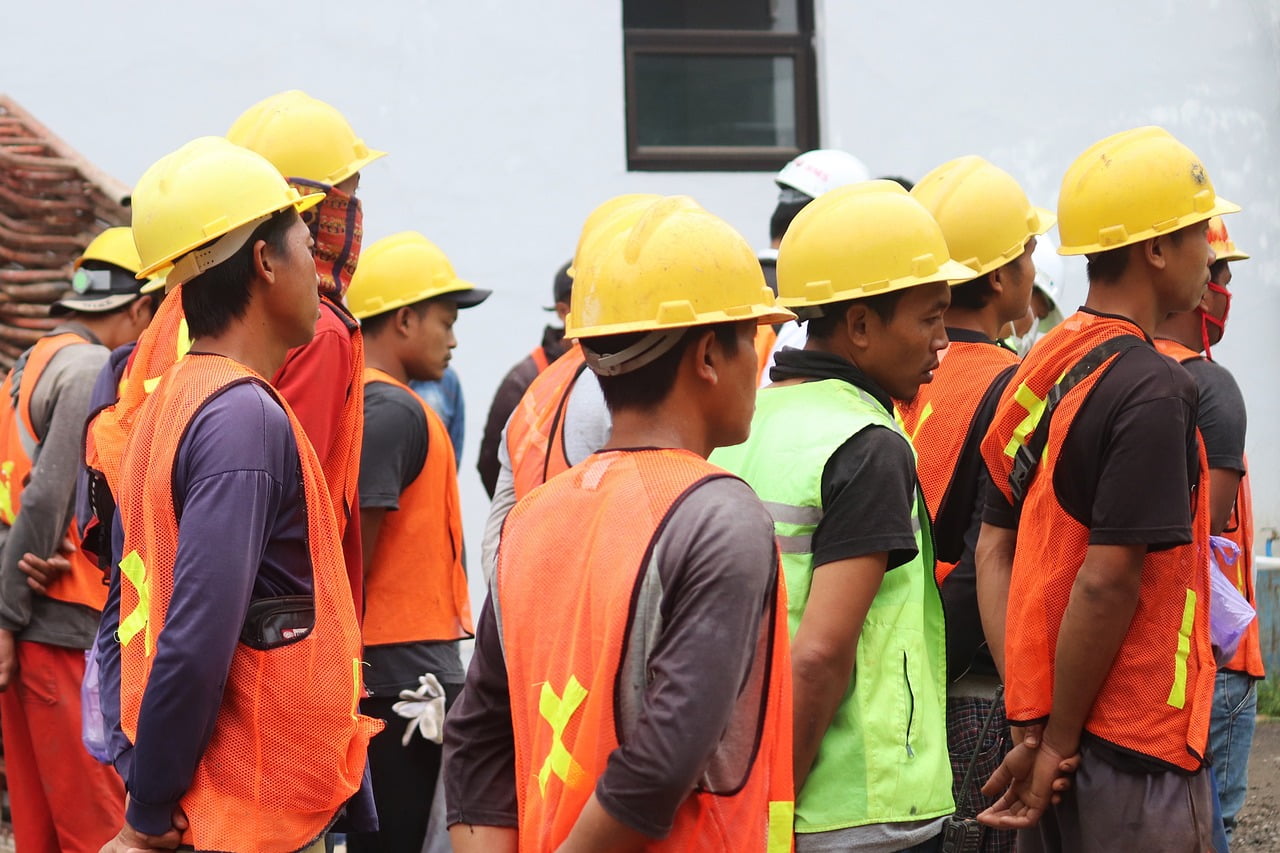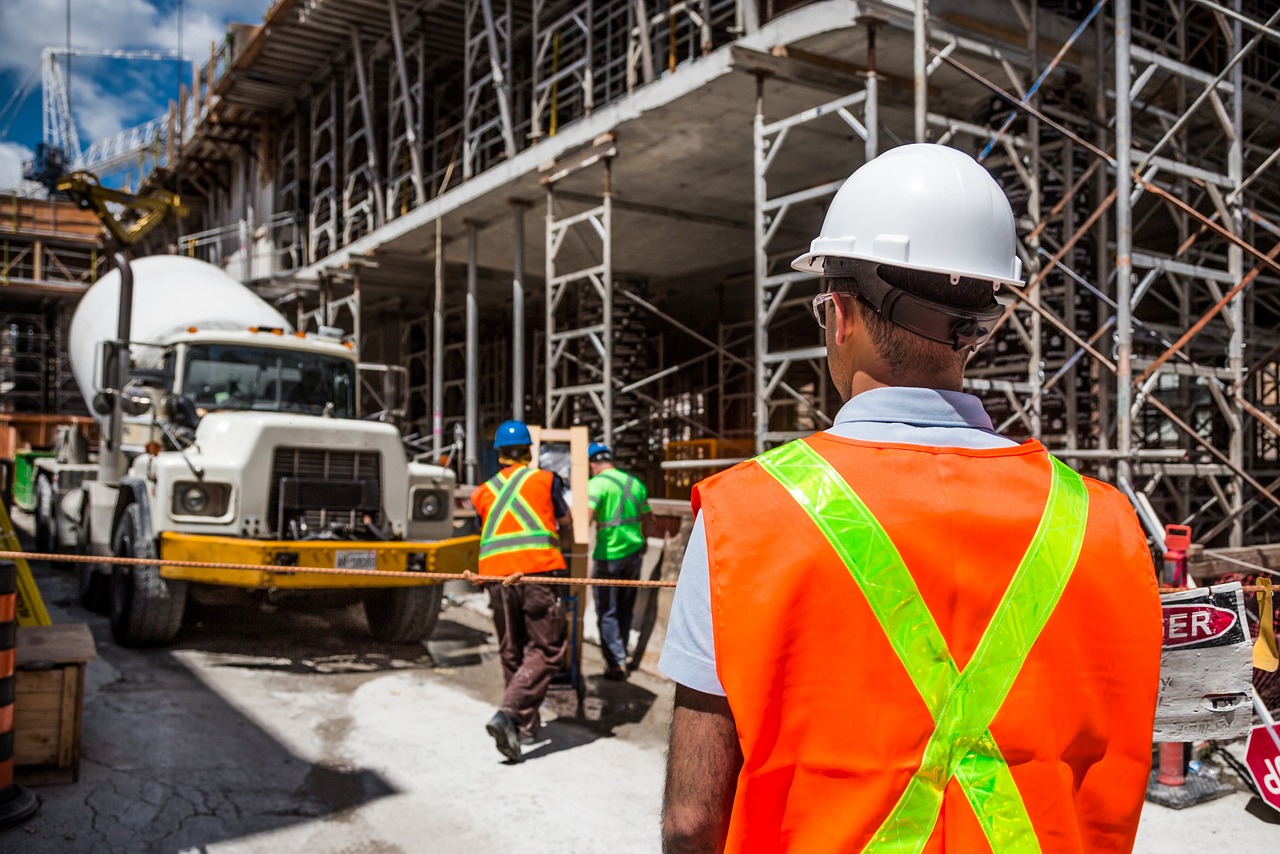
A safety vest looks like a simple product — a piece of bright fabric with reflective tape. But for an importer or distributor, choosing the wrong vest means returns, complaints, and customers who never order again. The difference between a vest that sells year after year and one that gathers dust in the warehouse usually comes down to a few practical decisions made before the order is placed. This guide covers the points that matter most.
Start with the job, not the vest
Before comparing fabrics or prices, ask where and how the vest will be used. A vest for a warehouse worker indoors is not the same as one for a road crew working beside fast traffic at night. Think about lighting, traffic speed, weather, and how many hours a day the vest is worn. Roadwork and night shifts call for strong visibility from every angle, while indoor or low-risk jobs may need only a light, comfortable vest.
Fit and sizing
Fit is the first thing a wearer notices. A vest should be roomy enough to wear over a jacket in winter, but not so loose that it catches on equipment or flaps in the wind. Check the length, the width across the shoulders, and whether the armholes allow free movement when the wearer bends, lifts, or reaches overhead. Always ask for the size chart and measure a sample against it, rather than trusting a label alone. Sizes usually run from S to 5XL, with most orders in M to 2XL, so plan your size breakdown around your market.
Fabric weight and comfort
Most safety vests are made from 100% polyester knitted fabric. The two common choices are mesh and solid tricot. Mesh is light and breathable, which makes it the better choice for hot climates and outdoor summer work. Solid fabric feels smoother, holds its shape better, and suits cooler weather. Fabric weight is usually between 80 and 120 grams per square metre: lighter fabric is cooler, heavier fabric is tougher. Comfort is not a luxury here. If a vest is hot, stiff, or scratchy, workers will take it off — and a vest that is not worn protects nobody.
Reflective tape: placement and width
Reflective tape is what makes a vest work after dark, so look at it closely. The usual width is 5 cm, arranged as two horizontal bands around the body and two vertical bands over the shoulders, so the wearer can be seen from the front, back, and sides. Check that the tape is stitched on, not only glued, and that it lies flat without wrinkling or gaps at the seams. Ask your supplier how the tape is fixed and how many wash cycles it is made to withstand.
Closure types: zipper vs hook-and-loop
The two common closures are a front zipper and hook-and-loop tape, and each suits a different kind of work. A zipper is more durable, looks tidier, and stays closed through a long shift, but a cheap zipper can jam or split, so test it many times on the sample. Hook-and-loop is faster to fasten, easier to adjust over bulky clothing, and simple to open with gloves on. Its drawback is that it can collect dust and lint and lose its grip after repeated washing. Whichever you choose, check that it runs smoothly and stays closed when the wearer moves.
Pockets and durability
Small details decide whether workers like a vest or leave it in the locker. A chest pocket for a phone, a clear ID pocket, a pen pocket, or a loop for a radio can make a real difference on site. But every extra feature adds cost, so match the features to the job: a traffic controller needs an ID pocket, while a warehouse worker may not. Look for neat, even stitching, reinforced seams at stress points, and strong pocket edges that will not tear when loaded. Pull gently at the pockets, tape, and closure on the sample — weak stitching found now is far cheaper to fix than a failed vest returned by a customer.
Care and washing
A vest that cannot survive regular washing will not last in real use, so check the care instructions before you buy. Follow the supplier’s care label: wash in cool or warm water on a gentle cycle, close the zipper or hook-and-loop before washing, and avoid bleach and fabric softener, which can damage fluorescent fabric and reflective tape. Air-dry away from strong direct sunlight where possible, and do not iron directly over the tape. After several washes, inspect the colour, the tape, and the closure. A vest should be retired when its fluorescence has faded badly or its tape no longer reflects well.
What to check when sourcing from a supplier
Never place a large order from a photo alone. Order samples first and check them properly: stitching, tape adhesion, zipper quality, pocket strength, and the accuracy of the sizes. Wash the sample several times and look at the fabric and tape afterwards. Compare the sample with the specification sheet you agreed with your supplier, and keep one approved sample as your reference for bulk production. Also check whether the vest meets the relevant standard for your market, and ask the supplier what testing or documentation it can provide. Confirm the size breakdown, packing, and lead time in writing. Production commonly takes one to three weeks after the order is confirmed, plus shipping time, so order well before your peak season.
Choosing the right safety vest is mostly a matter of asking the right questions before you order: the job, the fit, the fabric, the tape, the closure, and a tested sample. Get those right, and you get a product your customers will come back for. If you need help with sizes, fabrics, or custom logos, contact us at sa***@*******ty.com or visit www.SumSafety.com.